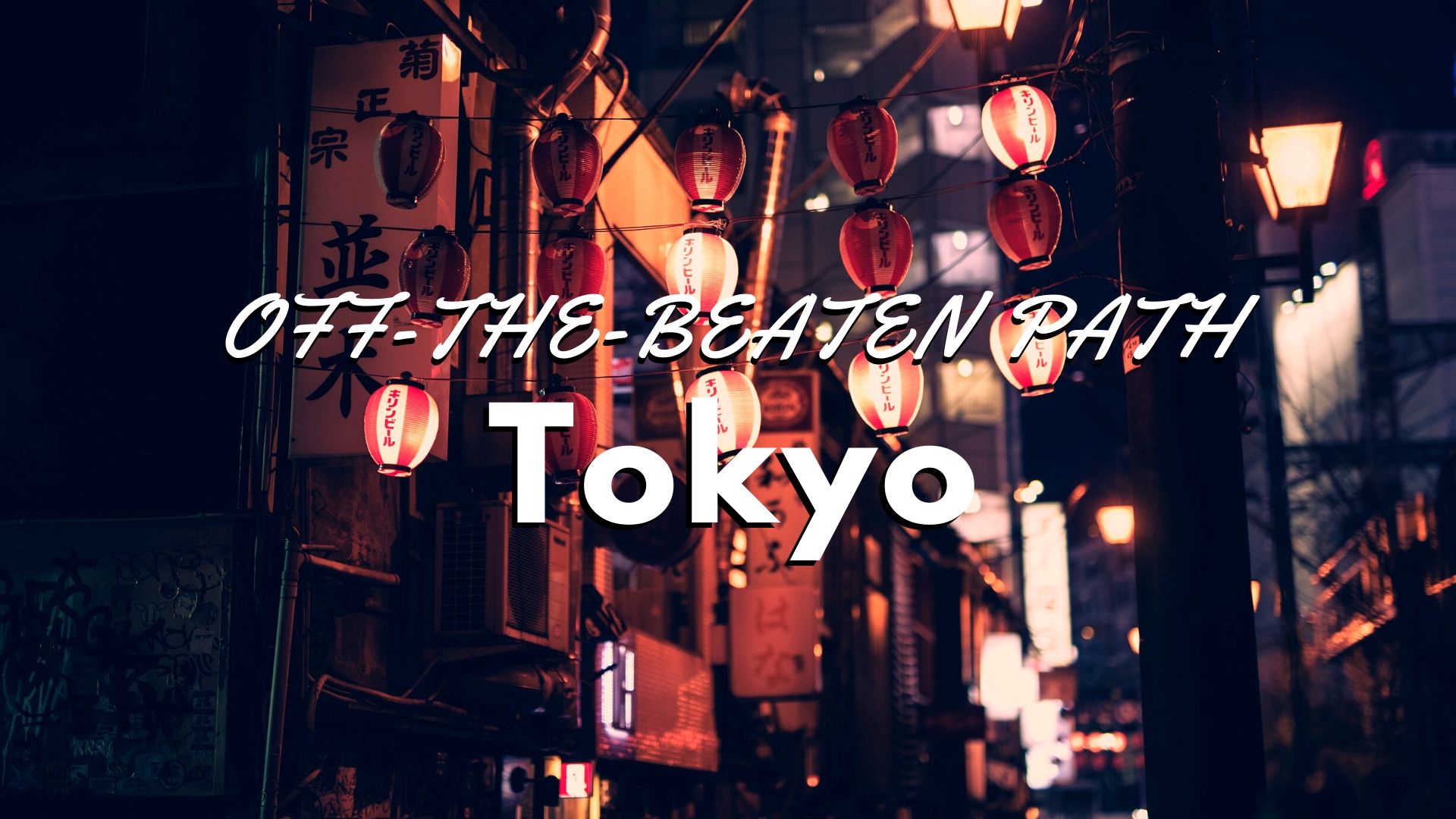
So you’ve checked everything off of my Top Things to do in Tokyo list including visiting Sensoji-Temple, Shibuya Crossing, and Shinjuku Gai. Now what? It’s time to visit some Tokyo hidden gems and explore off-the-beaten-path Tokyo.
Tokyo has a myriad of things to do for first-time visitors to Japan. But for second-time visitors, or those staying in Tokyo for a long period of time, it’s nice to explore the hidden side of the city. Visiting hidden gems in Tokyo is also a great place to get away from the crowds!
Here are some off-the-beaten-path Tokyo places to visit, for the seasoned Tokyo-ite.
Looking for other things to do in Tokyo?
- Read up on my Tokyo itinerary – The Perfect Three Days in Tokyo Itinerary
- Check out the highlights – Top Things To Do In Tokyo
- See Tokyo’s weird and quirky side – 50 Weird And Unique Things To Do In Tokyo
- Learn where to escape the crowds – Off-The-Beaten-Path Places In Tokyo
- Get out of the city for a day – Best Day Trips From Tokyo
- Gain some elevation over Tokyo – Six Amazing Tokyo Viewpoints
1. Shibamata Neighborhood
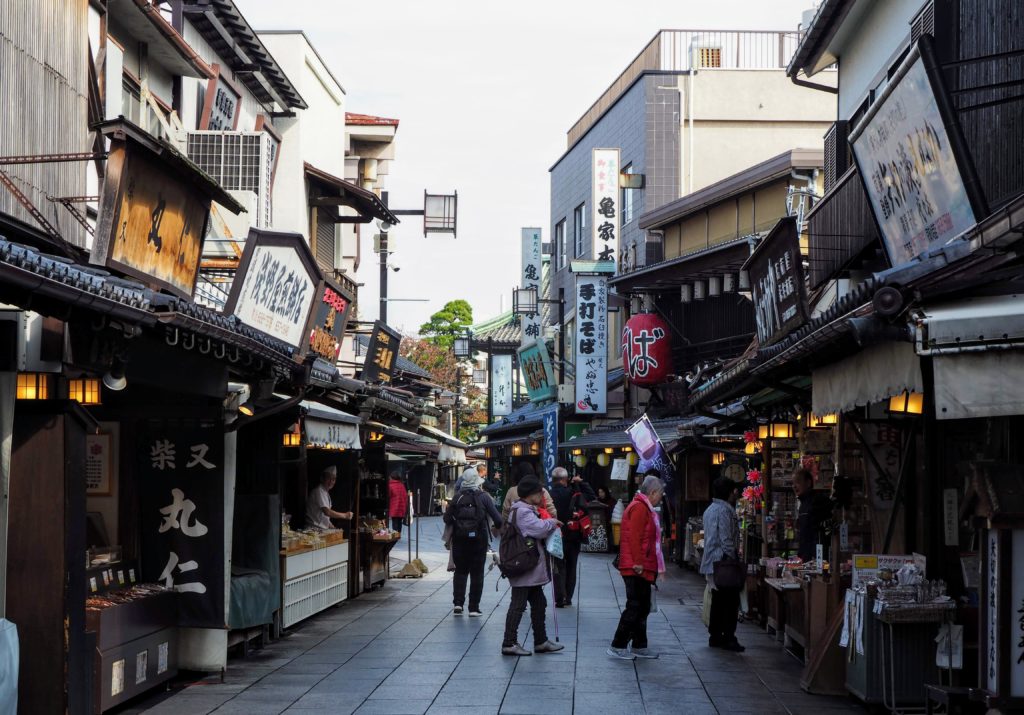
Shibamata is an old neighborhood and hidden gem in Eastern Tokyo, reachable in 30 minutes from Tokyo Skytree. Shibamata famous because of an old Japanese TV-show about Tora-san, a traveling salesman. Even if you’re not a Tora-san fan, the small local shopping street and old temple Shibamata Taishakuten are worth a visit when looking for a quiet place in off-the-beaten-path Tokyo.
Many of the shops along the shotengai are historic, some having been there for over one hundred years. It’s a great place to sample some classic Japanese snacks and street food, such as senbei soy sauce crackers and dango chewy rice balls.
The Shibamata Taishakuten temple was built in the 1600s, and is home to a pine tree famous for its long branches. Enter the beautiful backyard garden and view amazing wooden carvings for 400 yen per person.
After visiting Shibamata’s shopping street, temple, and nearby river, I was surprised how it is still an off-the-beaten-path Tokyo neighborhood. Visit Shibamata before more people find out about it!
2. Yanaka Ginza Neighborhood
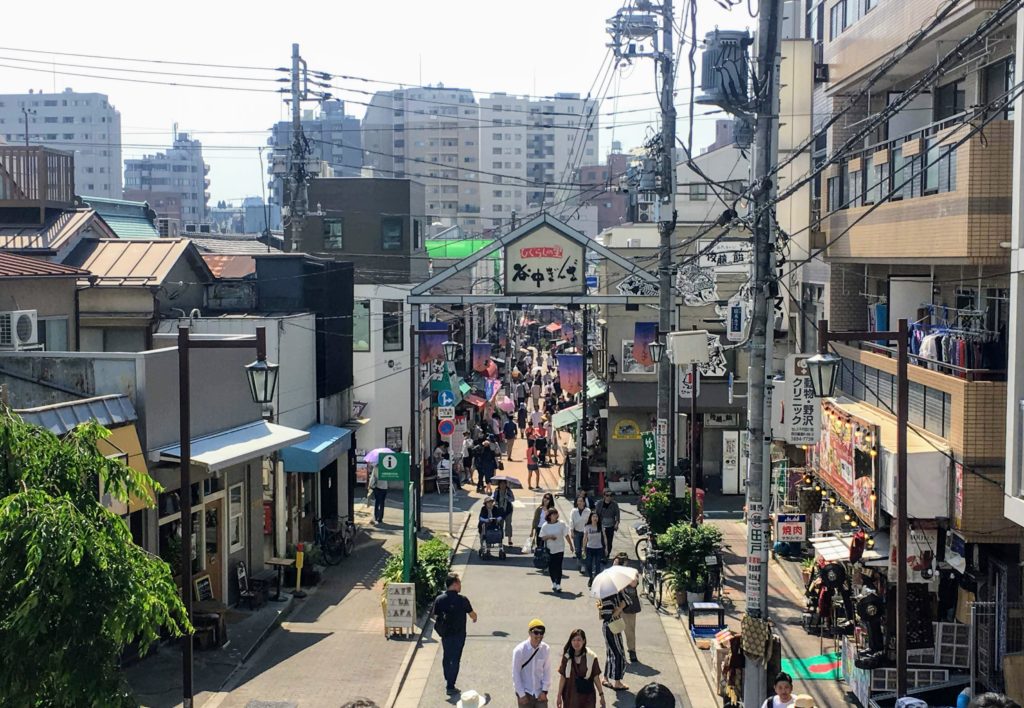
Yanaka Ginza neighborhood is a unique Tokyo off-the-beaten-path location. Even among Tokyo locals, it’s a lesser-known area that retains its old-Japan charm. Edo-era shops and restaurants line a small shotengai shopping street. Although the shops include modern 100-yen stores, there are many handicraft, ceramics, and street food stores too.
Yanaka Ginza’s famous inhabitants are its stray cats. A handful of shops here are dedicated to these friendly felines. They only sell goods shaped like cats, or with cute cat images and art!
Although you’ll find many Tokyo locals coming on dates here, for tourists it is an off-the-beaten-path Tokyo hidden gem.
3. Rikugien Gardens
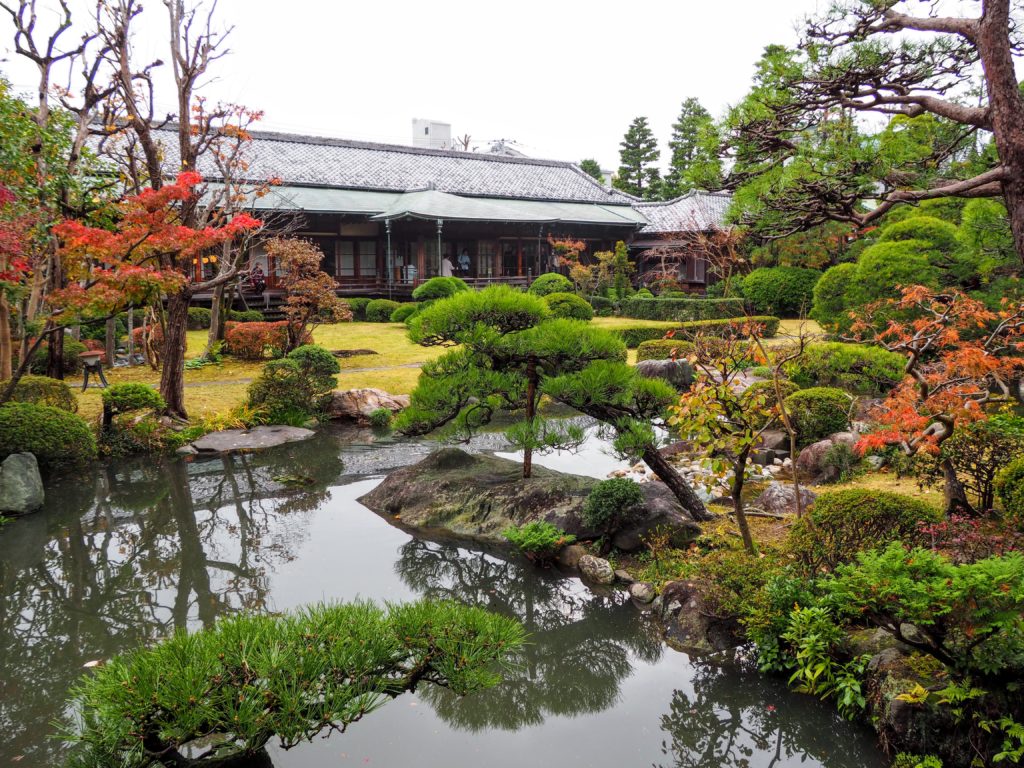
If you’re looking for off-the-beaten-path Tokyo destinations, try ducking in to some lesser known Japanese gardens. Often the gardens that you have to pay to enter (usually no more than ¥200-¥300, or less than $2 USD per person) attract less visitors and are therefore a perfect escape from the tourist crowds. It’s a great way to get in some nature walks in Tokyo too.
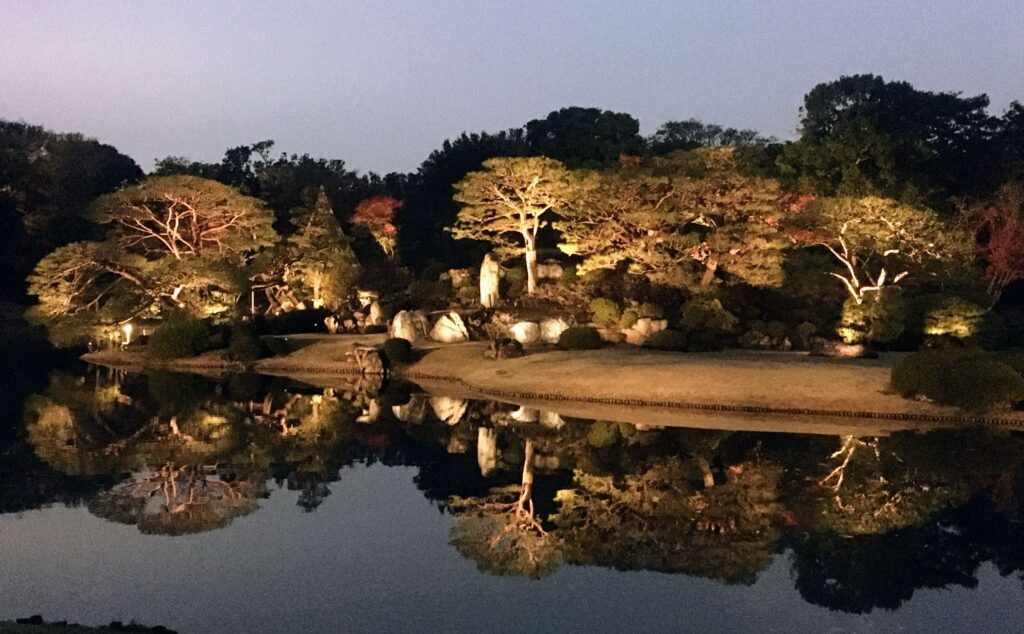
Near Komagome Station on the Yamanote Line are the Rikugien Gardens, a quiet place to spend time in Tokyo. At this Japanese garden, several paths loop around a central lake – picturesque from all angles. Imagine twisted pine trees, traditional teahouses, koi fish, and many benches where you can enjoy the view.
If you’re visiting the Rikugien Gardens in the winter, it is open until 9 p.m. for winter illuminations. Glowing lanterns light up the main path, and spotlights beam up the pine trees for a relaxing evening at the park. A perfect hidden gem in Tokyo!
4. Kichijoji Neighborhood
Kichijoji is a west Tokyo neighborhood that is popular with young Tokyo-ites. It has somehow stayed a Tokyo off-the-beaten-path neighborhood even though it’s very close to the Studio Ghibli Museum in Mitaka. If the Ghibli Museum is on your Tokyo itinerary, I suggest getting off the train one stop early and wandering through Kichijoji before or after your museum visit.
Walk down the street connecting Kichijoji Station to Kichijoji Park. You’ll pass by many antique stores and boutique cafes before you reach a large lake in the center of the park.
5. Todoroki Ravine Park
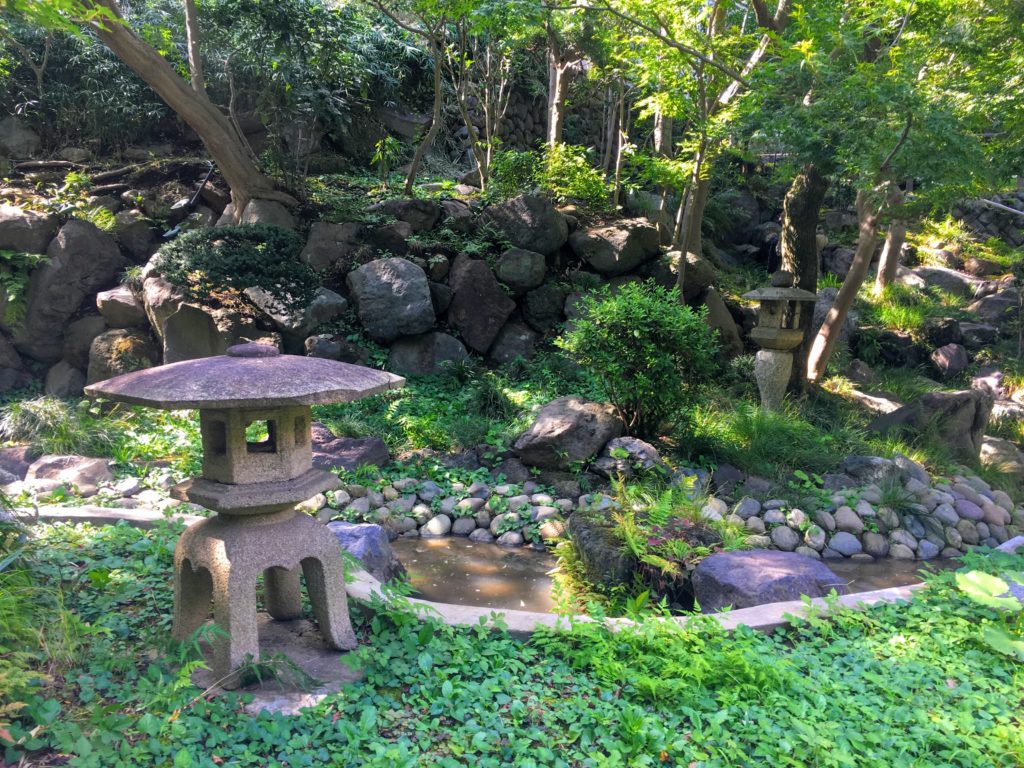
Southeast of Tokyo’s city center is Todoroki Ravine park, an off-the-beaten-path Tokyo park. This hidden gem is such a stark contract to the city center that it makes it hard to believe you’re still in the city.
The ravine is located on the banks of the small Yazawa River, where you’ll have to descend some stairs in order to reach it. Even on the hottest days, the drop in elevation and the tree canopy will make you feel much cooler than the surface.
Inside the park is about 1.3 km of walking trails, plus a few small shrines and a teahouse. Wander through the Japanese garden of the tea house, then have a rest for free inside its main traditional building.
The Todoroki Ravine Park coordinates are here on Google Maps. It’s another great option for a cool nature walk without leaving Tokyo.
6. Gotokuji Temple
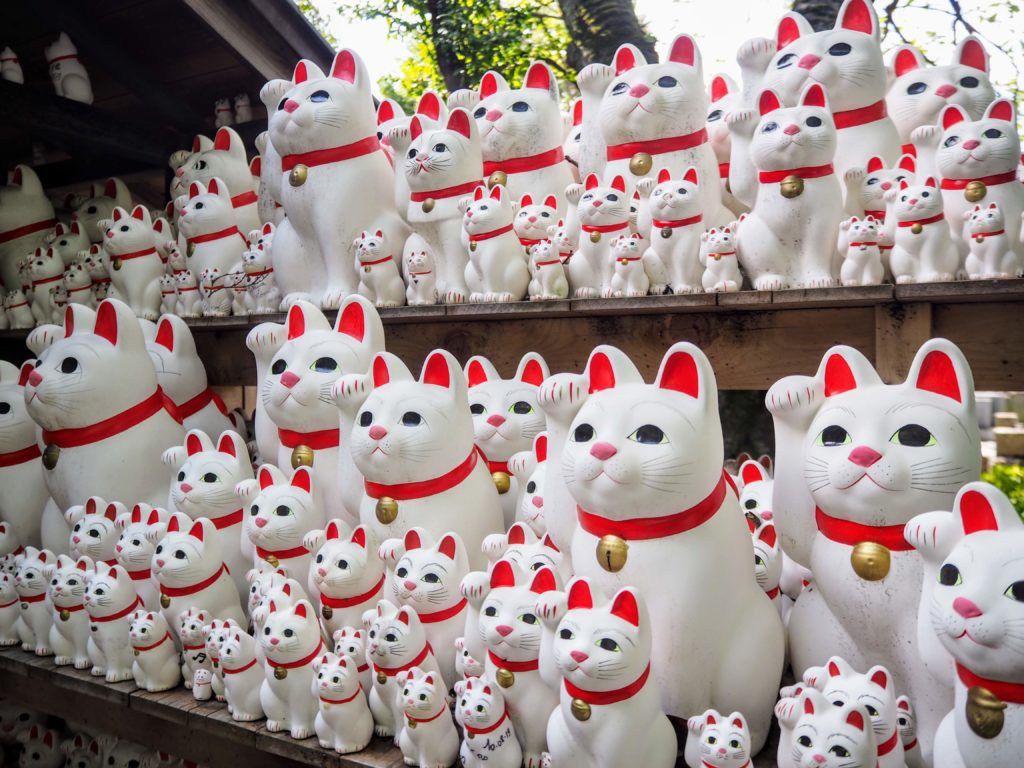
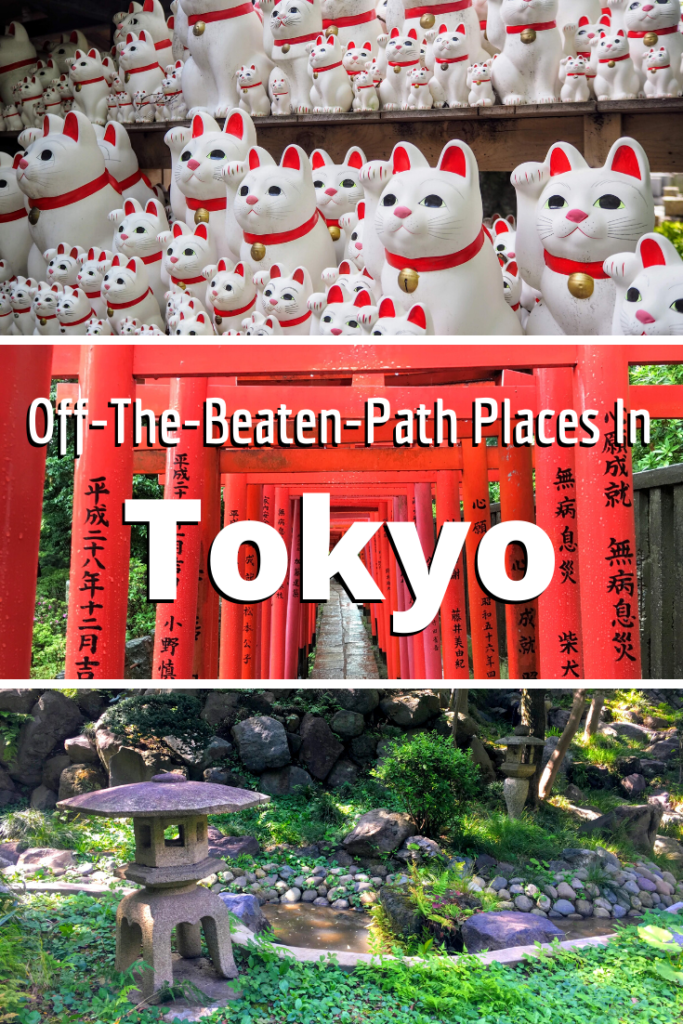
Gotokuji Temple is a unique temple, and a great Instagram and photography spot. It’s home to hundreds of kawaii maneki-neko, or beckoning cat statues. These cats are believed to bring good luck and fortune, and are often placed outside of businesses to bring in more guests. Reachable within 20 minutes from Shinjuku Station, Gotokuji Temple is a quiet, off-the-beaten-path Tokyo temple to admire Japanese culture and get a breath of fresh air.
Gotokuji Temple is also featured on my list of weird things to do in Tokyo. Nowhere else in the world will you see this array of beckoning cat statues! Purchase a cat to leave at Gotokuji temple yourself for as little as ¥300. You’ll be blessed with great fortune.
Gotokuji Temple can be found here on Google Maps.
7. Kappabashi-Dori
Visiting Asakusa is undoubtedly one of the top things to do in Tokyo, but consider escaping the crowds by heading to this off-the-beaten-path Tokyo shopping street: Kappabashi-Dori.
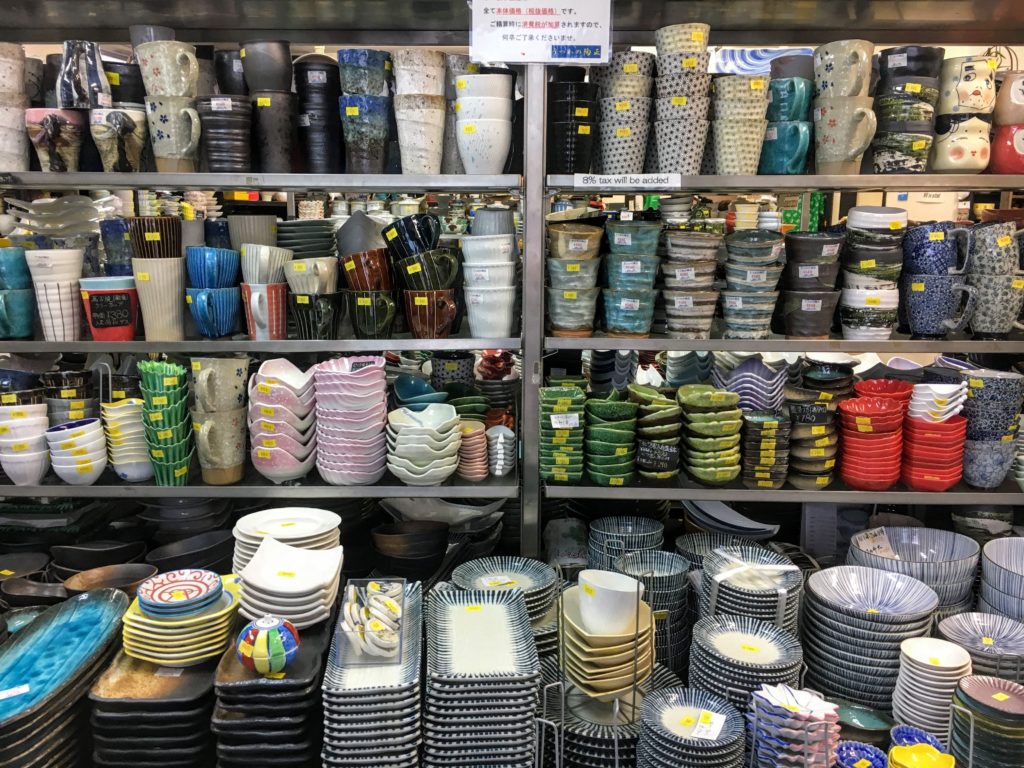
If you’ve become a fan of Japanese food during your travels, here’s a place to bring home something to cook or serve your own Japanese food with. Kappabashi is a long street lined with kitchen shops, plus the occasional fake food display store and noren cloth store.
Find great Japanese souvenirs in Kappabashi like Japanese sake cups, ramen bowls, tea cups, chopsticks, soy sauce dishes, and mugs. You can also find Japanese cooking staples like a fish griller, takoyaki octopus ball shapers, taiyaki fish-shaped pastry makers, and serving plates for sushi or soba.
Kappabashi is also made up of mostly covered walkways, so coming here is a great rainy day activity in Tokyo.
8. MORI Art Museum and Tokyo City View
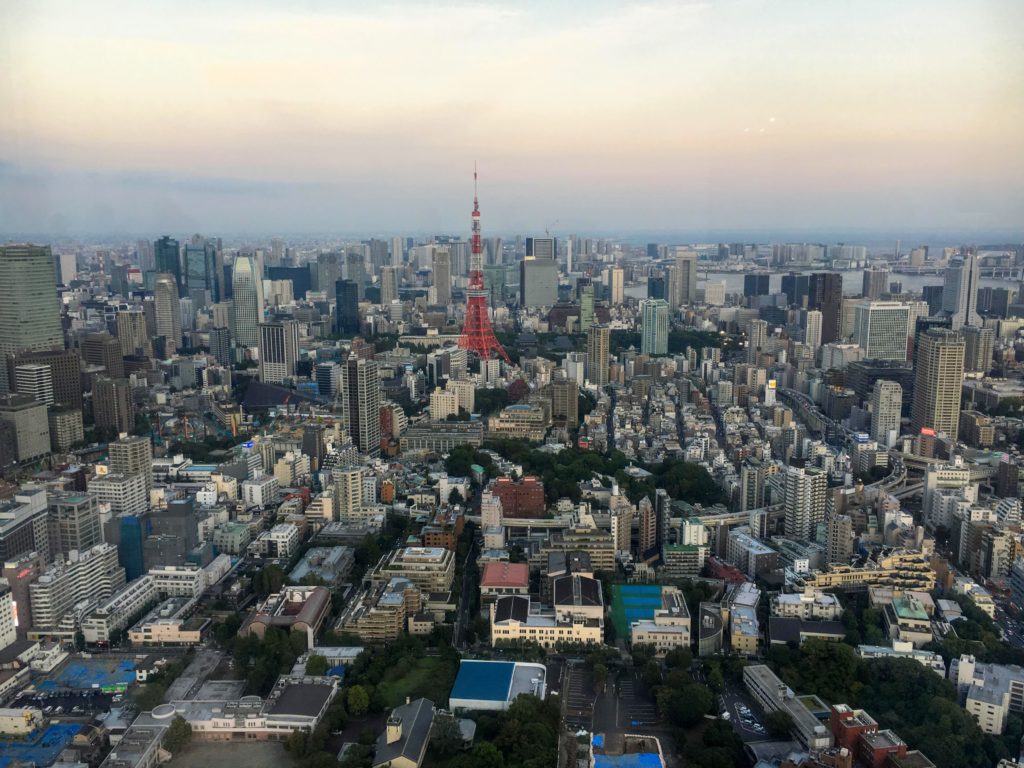
Out of all the different Tokyo viewpoints, the MORI Art Museum and Tokyo City View may be the most off-the-beaten path Tokyo viewpoint. Tourists flock to Tokyo Skytree, Shibuya Sky and Tokyo Tower, while artsy locals and Roppongi residents head to the MORI building.
A ticket to the MORI Art Museum includes both entrance to the main art exhibits, and to the Tokyo City View, a 360 degree look at Tokyo.
Because of Roppongi’s out-of-the-way location, you’ll have great views of famous Tokyo neighborhoods like Shinjuku and Tokyo Station, plus you’ll see Tokyo Tower too.
9. Odaiba Neighborhood
Odaiba is an artificial island built in to the Tokyo Bay, most famous for being the old home of Teamlab Borderless (which is definitely not Tokyo off-the-beaten-path). Odaiba is reachable by taking the driverless Yurikamome monorail from Shimbashi station. It is also connected to Toyosu, home of the tuna auction within Toyosu fish market.
For an off-the-beaten-path Tokyo experience, hang out in Odaiba’s many wide parks and seaside walkways, perfect for spending time outside with the family.
Odaiba also has a number of mega-malls and off-the-beaten-path Tokyo museums, including the Miraikan Museum of Emerging Science, the Museum of Maritime Science, and the Tokyo Water Science Museum.
With all the indoor activities here, Odaiba is a great place to spend a rainy day in Tokyo.
10. Sugamo Neighborhood
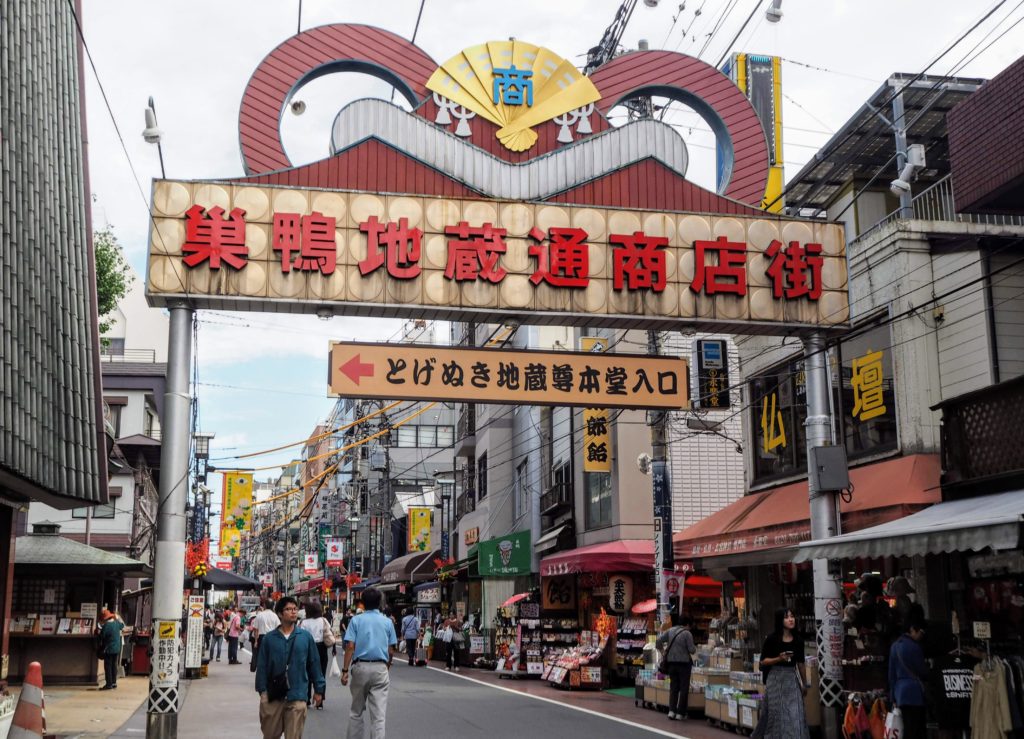
Situated along the Yamanote Line, Sugamo is a neighborhood famous for its “Old People’s Takeshita” shopping street. You’ll see many older locals shopping here, but it’s Tokyo off-the-beaten-path for Western tourists. Unique shops here include traditional senbei or soy sauce flavored rice cracker shops, shops selling sesame-flavored ice cream, and a wonderful hidden gem: a shop selling red underwear.
Red underwear, and red clothing in general, is said to give the wearer extra strength and confidence. It’s believed to be a power color amongst the elderly, and all other visitors to Sugamo who pick up a pair of these vibrant undies.
Sugamo wouldn’t be the “Old People’s Takeshita Street” without selling a few elderly staples like walking sticks, antique (but non-hipster) clothing, and teas promising longevity and youth. Grab a gift for grandma and grandpa at this Tokyo hidden gem!
11. Mt. Mitake
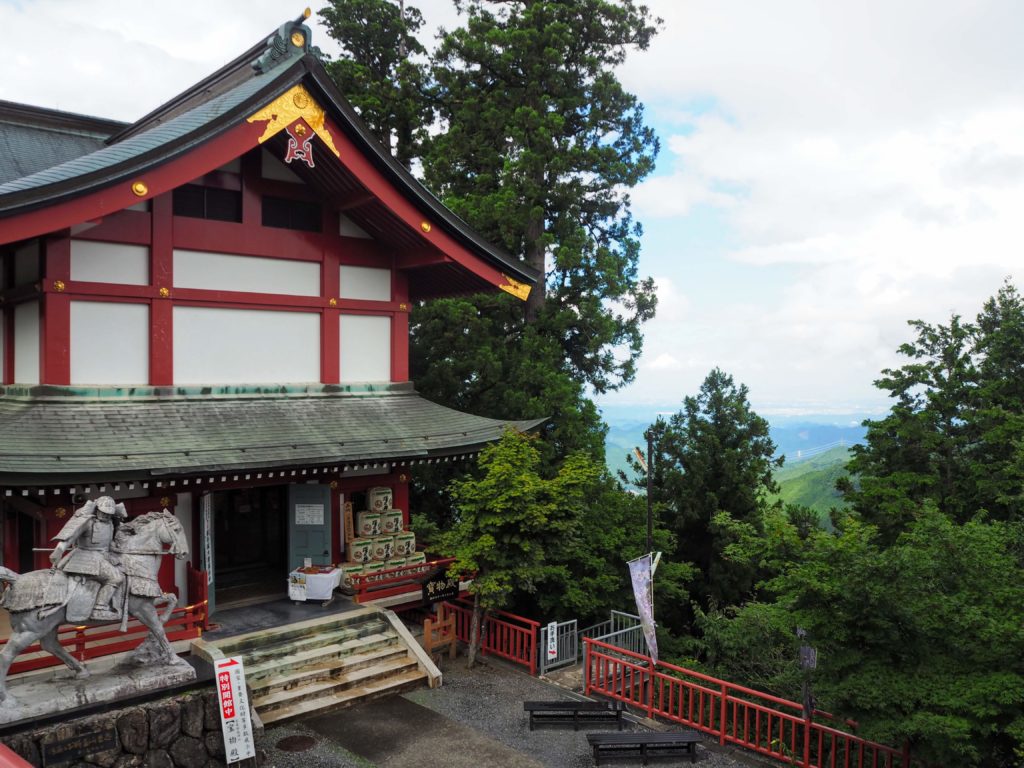
Mt. Mitake is a holy mountain located west of Mt. Takao. It’s and a much less crowded version of Mt. Takao where you can experience nature and Tokyo off-the-beaten-path. Although Mt. Mitake is a bit harder (and more expensive) to reach on the Chuo line from Shinjuku Station, you’ll feel as soon as you get off the train that you’re in the Japanese countryside. Agricultural fields stretch in to the mountains, creating a beautiful green backdrop for the small traditional town near Mitake Station. The Tama river cuts through the area, where you’ll see locals fishing and families picnicking on nice days.
If you’re a hiker, you can hike the old pilgrimage trail up to the Mt. Mitake summit. If you’d rather not, there’s a colorful cable car that can take you up and down as well. Read about hiking Mt. Mitake as an off-the-beaten-path Tokyo hike here.
Mt. Mitake’s summit has several temple accommodation options, as well as traditional restaurants and cafes. Pray at the many shrines here, and enjoy the view overlooking the surrounding mountains.
12. Kawagoe
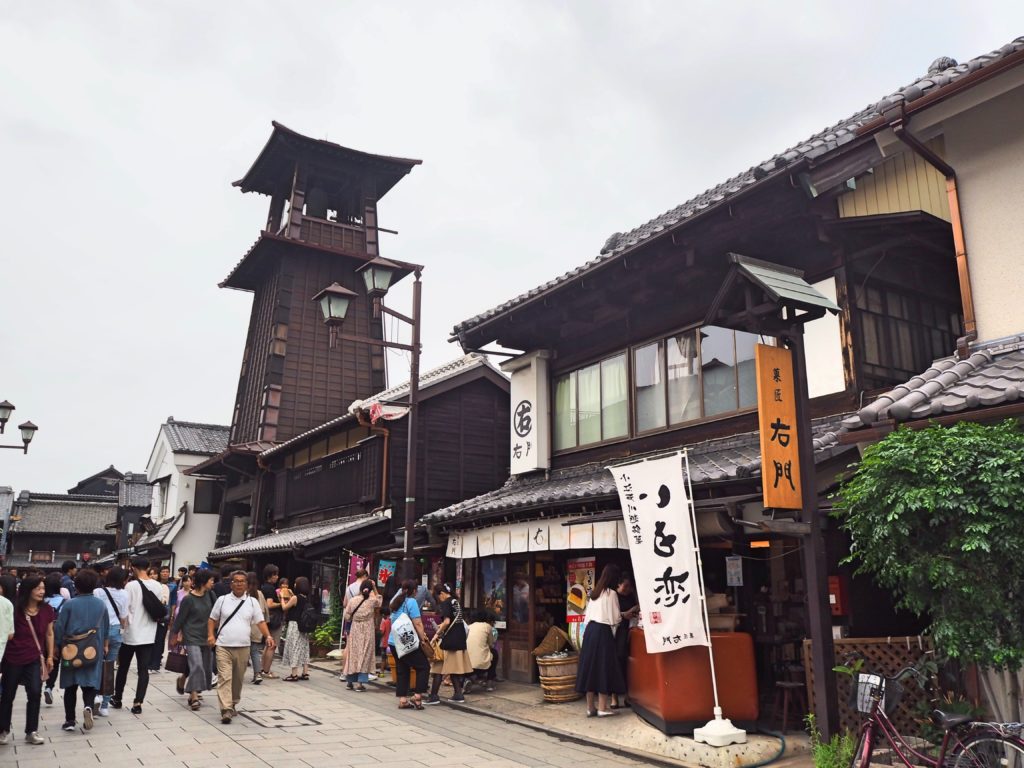
Nicknamed “Little Edo”, Kawagoe is a quick 30 minutes by train northeast of Ikebukuro Station. With so many day trips from Tokyo to choose from, most visitors prioritize Yokohama or Kamakura to visit, leaving Kawagoe a quiet off-the-beaten-path Tokyo gem. (Ok, technically it is in Saitama prefecture, and not Tokyo, but it’s close enough)
Kawagoe is has all the perfect attractions to be a touristy place, but without the hoards of tourists!
At a large information center in Kawagoe, you can try different types of Japanese sake from a vending machine, and buy snacks unique to Saitama and Kawagoe. There are several beautiful temples and shrines to visit, including Kawagoe Kumano Shrine where visitors can wash their coins in the water of a fountain, promising their ‘fortune’ to return five fold as a result.
Kawagoe is most famous for its “Little Edo” shopping streets, where old buildings have been preserved for centuries. The vibe feels similar to the back streets of Gion, the historical neighborhood of Kyoto. Don’t miss Candy Alley, where most of the old buildings are, and have been for centuries, Japanese traditional candy stores!
13. Hamarikyu Gardens
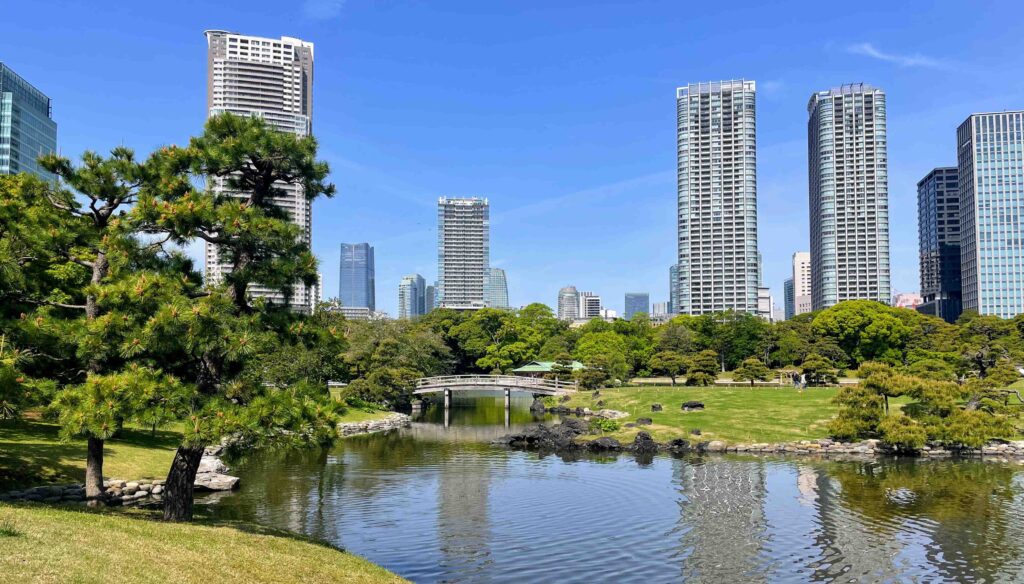
Near Tsukiji Fish market south of Ginza is the Hamarikyu Gardens, another off-the-beaten-path Tokyo garden. After eating your fill of street seafood in Tsukiji or shopping in bustling Ginza, you can take a break from the crowds here.
Hamarikyu Gardens feels like a small Shinjuku Gyoen, with a pond in the middle and several well-preserved Japanese homes. It borders a canal that feeds in to Tokyo Bay, so you can see (and hear) some large ships in the distance. A long path loops around the park, plus there are small paths you can follow into forests and over small hills. The expansive park and its remote location make it a great hidden gem to escape the crowds in Tokyo.
14. Nezu Shrine
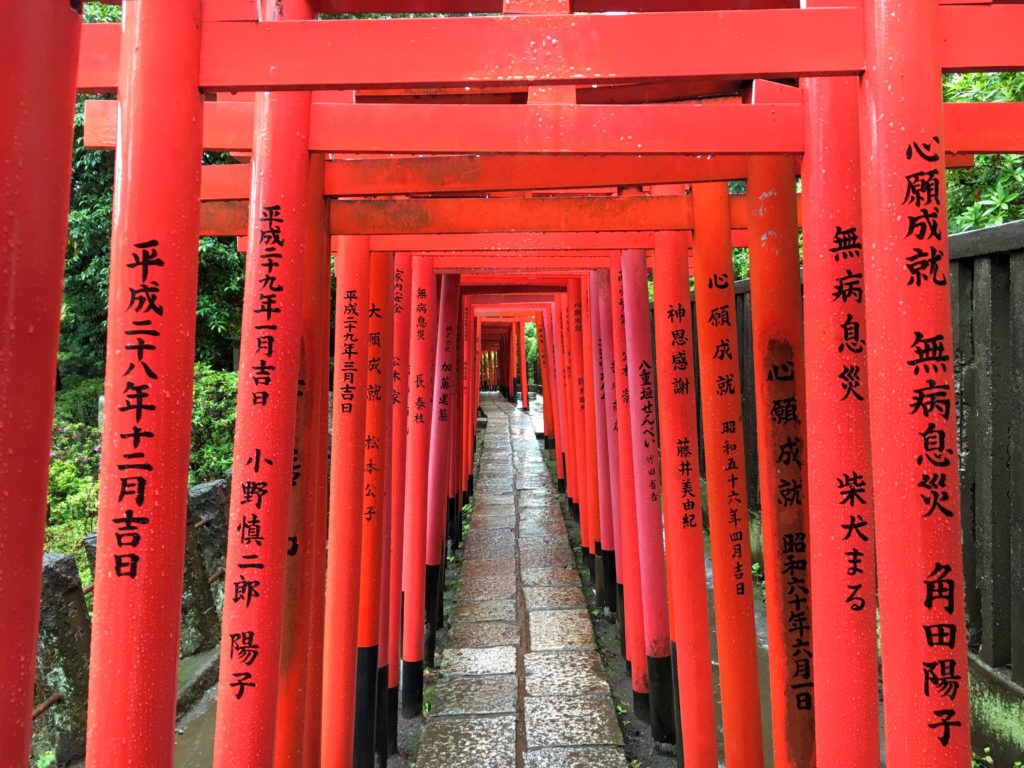
Nezu Shrine is an impressive off-the-beaten-path Tokyo shrine, hidden in the Ueno area of Tokyo. This shrine’s claim to fame is the row of red torii gates, (a small version of the famous Fushimi Inari Shrine in Kyoto). It’s also a common place for locals to come and take their official wedding pictures.
If you liked Senso-ji Shrine in bustling Asakusa, it’s worth a visit to this off-the-beaten-path shrine in Tokyo.
If you are visiting Nezu Shrine in April, you’ll experience the azalea season, where a wall of purple, red, and white flowers line one side of the shrine. A path runs through the flowers, and a koi pond sits at the base, making it one of the most picturesque places in Tokyo in April.
15. Zojoji Temple
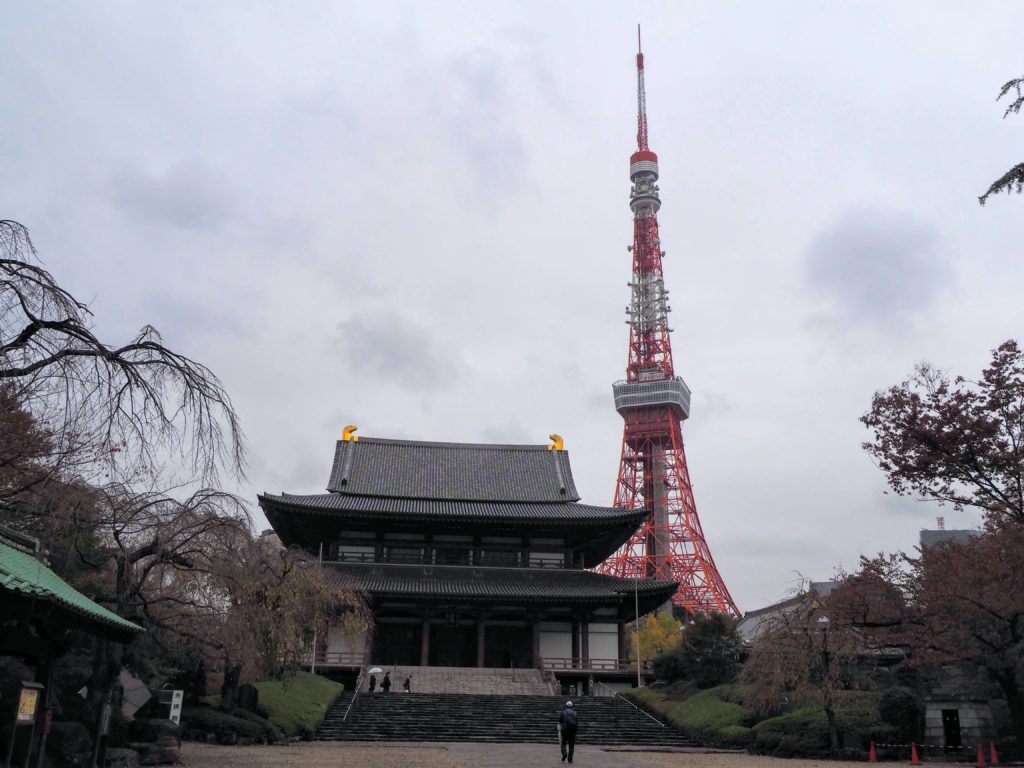
Tucked away at the base of Tokyo Tower is Zojoji Temple. It was built in the 1300’s on the outskirts of the city, then moved to its current location in Tokyo in 1598 by Tokugawa Ieyasu, the first shogun of the Tokugawa Shogunate.
Zojoji Temple is famous for its rows of jizo stone statues, which represent guardians of unborn or stillborn children. They wear knitted hats and parents sometimes bring them children’s clothes to keep them warm or toys to ease their journey in the afterlife.
The temple has a large grounds area but few visitors, giving it the full feel of Tokyo off-the-beaten-path.
16. Jimbocho Book District
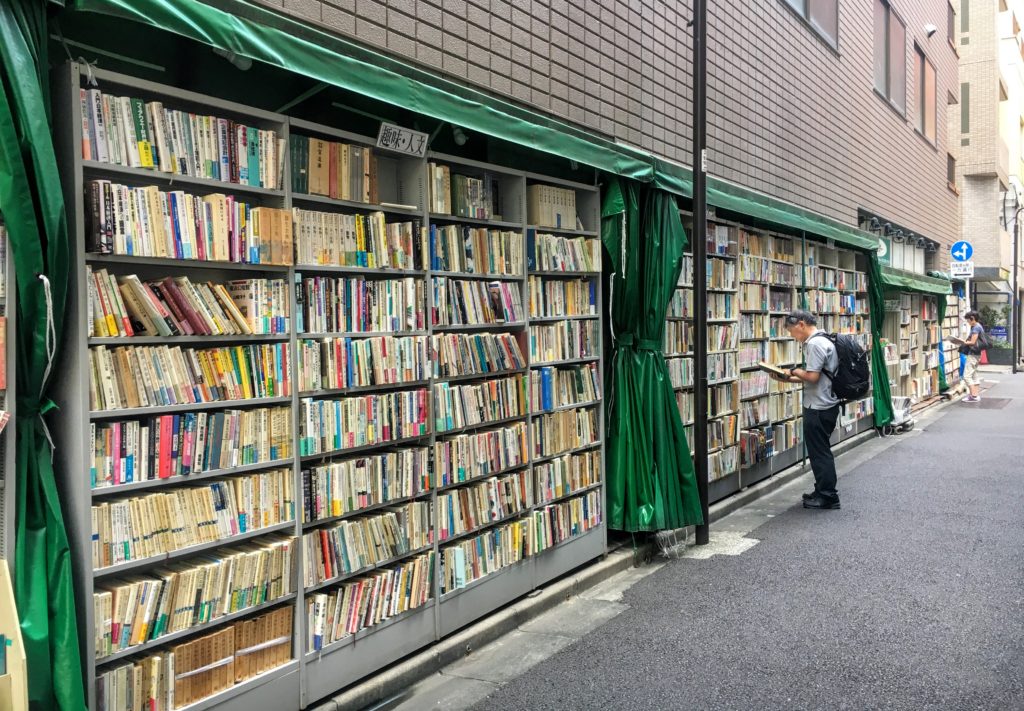
Jimbocho is an off-the-beaten-path Tokyo neighborhood that’s filled with bookstores. Walking distance from both Akihabara and the northern gardens of the Imperial Palace, Jimbocho is a book-lover’s dream where you’ll hardly see any tourists.
The bookstores here range from large, high-end stores like Books Sanseido, to just shelves built into alleyways. The larger stores will sell both Japanese and English books, plus some classy gifts for your book-loving friends.
You might be hard-pressed to find any English books in the smaller stores, but you can still admire the tattered pages of old Japanese classics. In an age where bookstores are dying out, check this Tokyo off-the-beaten-path destination off your Japan itinerary before it’s gone.
17. Monja Street, Tsukishima
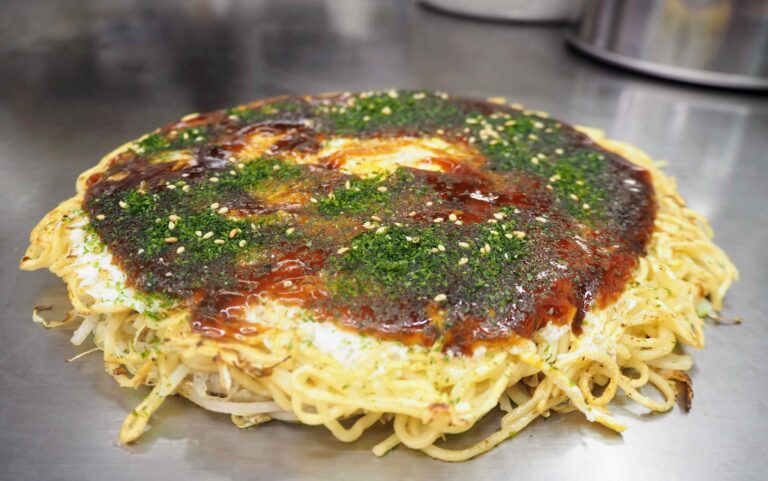
Monja Street, located in Tsukishima in east Tokyo, is home to nearly 50 restaurants that serve monja. Monja is a traditional Tokyo food that is similar to okonomiyaki, just runnier. It’s also cooked DIY, teppanyaki-style, but because it’s runny and hard to handle, you can request restaurant staff to cook this for you. All stores also offer okonomiyaki if monja is not your cup of tea.
Monja street is a hidden gem in Tokyo that mostly only Japanese foodies know of. If you visit on the weekends, be prepared to wait in line with many other foodies at the more famous monja locations like Moheji and Daruma. The sheer quantity of restaurants though, means you’ll certainly find somewhere where you can walk in without a reservation. Check the full list of stores here.
Be sure to stop by Tokyo’s best melon-pan store in Tsukishima, Kyuei Melon Pan, the best hidden gem, too!
(Photo below is of Hiroshima-style okonomiyaki, not Tokyo-style monja)
18. Kiyosumi-Shirakawa neighborhood
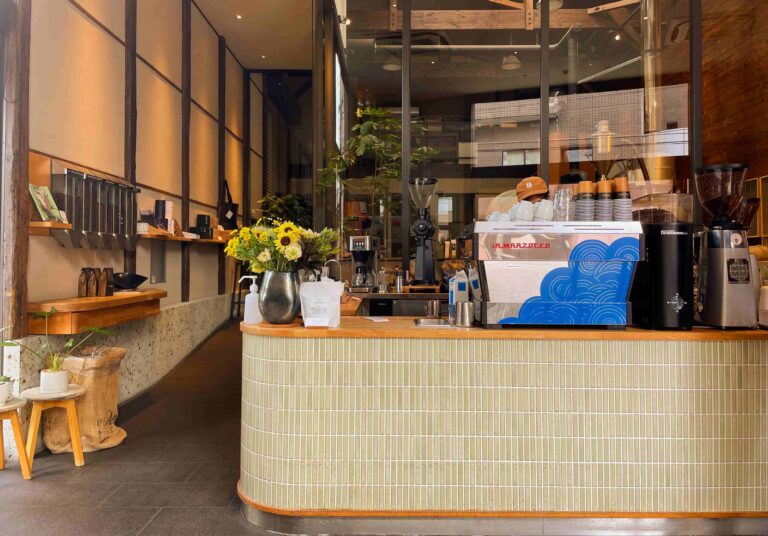
Kiyosumi-Shirakawa is a hipster’s dream neighborhood and a true hidden gem in Tokyo. This off-the-beaten-path neighborhood is known as a coffee roasting district and has many coffee flagship stores and trendy cafes. It’s the perfect place to start your day on a Tokyo itinerary.
Unmissable coffee shops that serve dark, strong coffee include:
Kiyosumi-Shirakawa is also home to attractions like the Fukagawa Edo Museum and the beautiful (and also hidden gem discussed below) Kiyosumi Gardens.
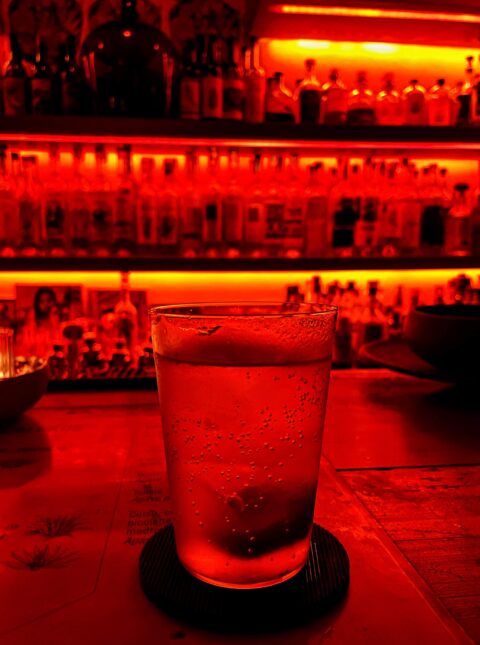
19. Ginza's hidden cocktail bars
The flashy neighborhood of Ginza in central Tokyo is about as un-hidden as you can get. But if you look below the surface and duck into some side streets, up multi-story buildings and down flights of basement stairs you start to find the real hidden gems of Ginza: its cocktail bars.
Ginza is home to dozens of hidden pubs and cocktail bars that are worth a visit when trying to escape the crowds of Tokyo. The cocktail bars here are owned and operated by some world-class cocktail mixers, serving up famous drinks that’s taste better than any you’ve had before.
Be aware that many cocktail bars require a cover charge per seat, and often take only up to 2-4 guests at a time. Cocktails in Japan are also often quite simple, so don’t expect over-the-top decorations and ingredients, just world-renowned quality and attention to detail.
20. Sangenjaya
Just one express stop away from Shibuya on the Tokyu Den-en-toshi train line is the Sangenjaya, or “Sancha”, neighborhood as the locals call it.
Sangenjaya is known for its mix of old-school vibes and trendy, hipster spots. It has both a down-to-earth, residential neighborhood charm while still being close to the buzz of Shibuya.
Sancha is known to locals for its cool bakeries, cafes, and restaurants that often make it into popular Japanese lifestyle magazines. The area’s a mash-up of locals, students, workers, and people just out to have fun.
When night falls, local izakayas and bars start buzzing. Take a stroll down those narrow alleyways and soak in the local atmosphere.
Sancha’s local landmark is the 26-floor Carrot Tower that offers a free observation deck. You can see the Sancha skyline, Tokyo Tower, Tokyo Skytree, and the Shinjuku and Shibuya skyscrapers on clear days. If you’re lucky, you might even catch a glimpse of the Tanzawa mountains and Mount Fuji!
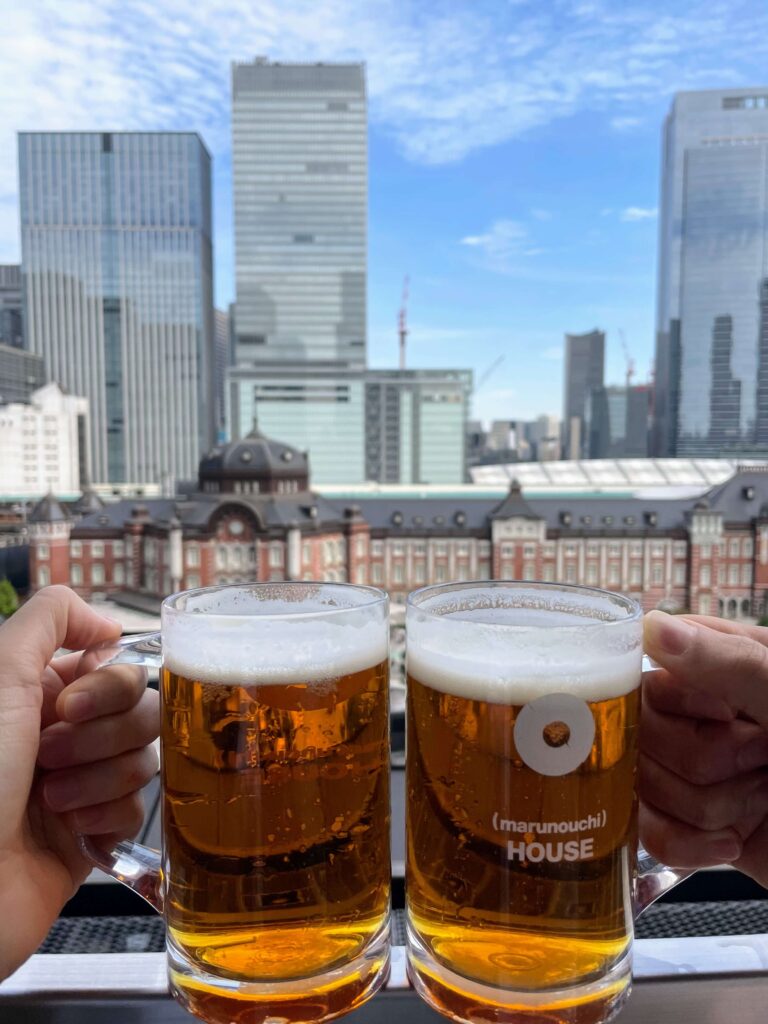
21. Marunouchi House (7F)
Next to one of the busiest stations in the world, Tokyo Station, is a hidden gem in Tokyo that must be on everyone’s itinerary. Marunouchi House and its terrace at the Shin Marunouchi building! This terrace is a Tokyo local’s best kept secret.
Located on the 7th floor of an office building/shopping mall complex, Marunouchi House is a food court with a number of Japanese and global eateries inside. Here, you can order Italian pizzas and pastas, Hawaiian brunch foods, tacos and margaritas, and of course Japanese staples like soba and sushi. Take your food and drinks outside onto their terrace and enjoy a wonderful view of Tokyo Station below.
22. Hie Shrine, Akasaka
Hie Shrine is a historical shrine in the heart of Tokyo, dating back to the Heian period (794-1180). The shrine is built around one of Akasaka’s large hills, with its main shrine building perched at the top. Don’t worry, though! There’s actually a long escalator to get you up to the ‘summit’. The shrine is famous for its rows of torii gates and for hosting a big festival called the Sanno Matsuri each June.
Hie Shrine is conveniently located near several stations, like Akasaka and Tameike-Sanno, making it easy to get to as part of your Tokyo itinerary. Despite its central location, the shrine grounds offer a serene escape from the city’s hustle and bustle.
Hie Shrine is believed to bring good luck in romance and work, drawing many business workers. It’s also close to many government offices, so during New Years or election times, even politicians stop by to offer their wishes.
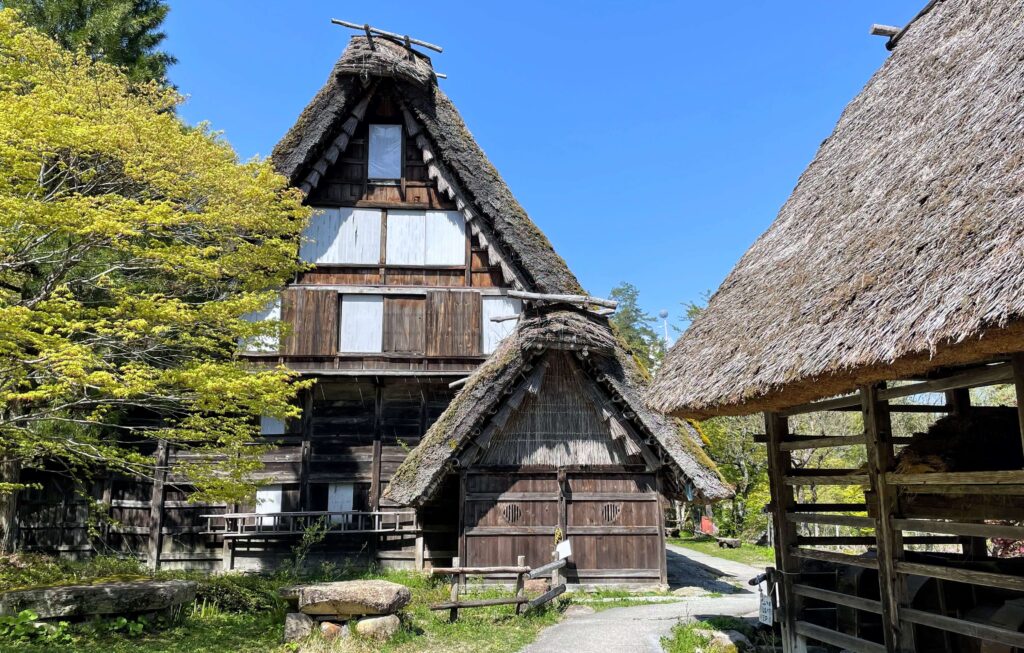
23. Edo Tokyo Open-Air Architectural Museum
The Edo-Tokyo Open Air Architectural Museum in Koganei is a spacious outdoor museum dedicated to architecture. It’s home to historic buildings from Tokyo’s past, spanning from the Edo period to early Showa-era, all carefully moved or replicated here. The spacious museum and park area feels like stepping into a time capsule with its merchant houses, traditional Japanese homes, bathhouses, and even a police station from back in the day.
You might even notice some Ghibli-style buildings in the museum. Director Hayao Miyazaki mentioned being inspired by some of the old buildings showcased here, and he even designed the museum’s cute logo.
It’s a popular museum for families and history buffs, and also a great spot for retro photo shoots. They’ve got rest areas and places to grab udon and bento lunchboxes too, perfect for a leisurely day out or to do on a nature walk in Tokyo.
24. Inokashira Park
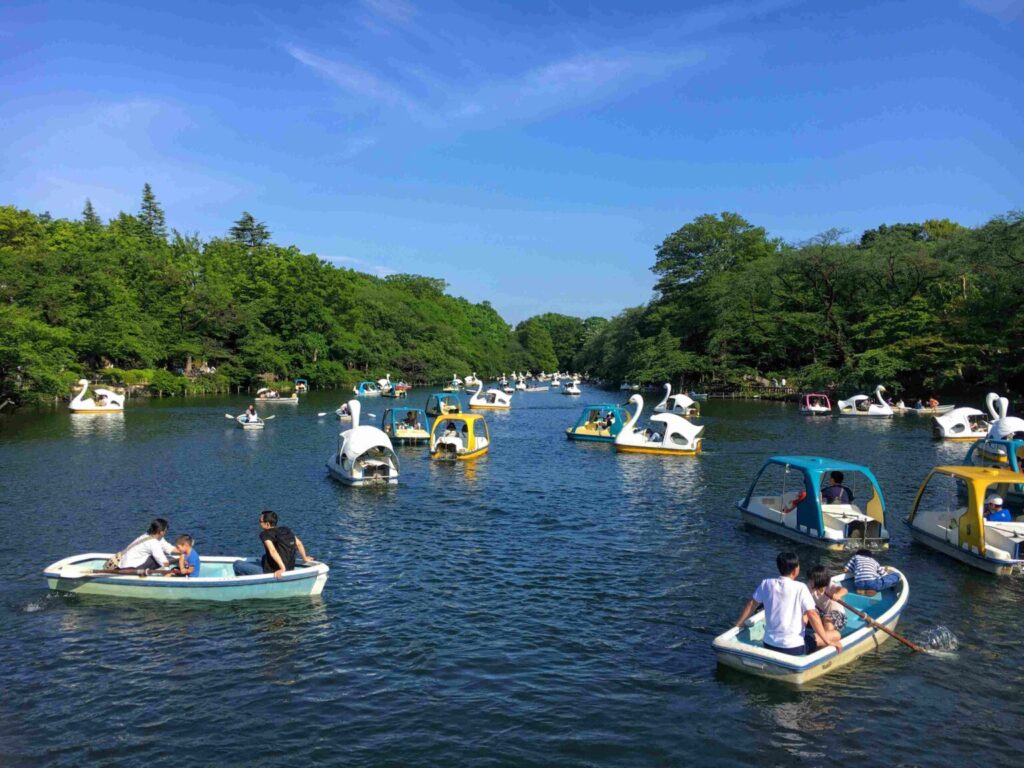
Inokashira Park near Kichijoji and the Ghibli Museum is a historical Tokyo park that opened in 1917. It’s famous for its massive central pond, which is surrounded by stunning charry blossom trees in the spring and fall foliage colors in the autumn.
A favorite date activity is to rent a swan boat (or a normal boat) to paddle around the pond. This is especially popular during sakura season, but beware of a local Tokyo urban legend that if you go on a swan boat with your significant other here, that you’ll break up soon after!
Inokashira park also has a small zoo, that’s famous for its interactive squirrel exhibit. The park also has a small temple where you’ll see many neighborhood locals coming to pray.
25. Sunamachi Ginza Shopping Street
Sunamachi Ginza Shopping Street is one of Tokyo’s best old-school shopping streets. Because it’s about a 20-minute walk from its closest train stations (either Nishi-Ojima Station or Minamisunamachi Station) the area hasn’t seen much urban development, which helps to retain the nostalgic, Showa-era feel and keep it off-the-beaten-path.
Stretching about 670 meters, it’s packed with around 180 shops including retro diners, clothing stores, and cafes where you can drop in for a meal or drink at very budget-friendly prices.
Locals come here to shop for cheap dinner ingredients while tourists often come to experience the street food scene and enjoy the atmosphere of the shopping street.
26. Kiyosumi Garden
In Koto City, you’ll find the tranquil Kiyosumi Garden, a Japanese landscape garden designed for circular walking around its central pond, offering changing views with the seasons.
One of its standout features is the rare stones collected from all over Japan. At first, stones might not sound super exciting, but as you walk the garden you’ll see just what makes each one unique with its various colors, shapes and textures. You can also keep an eye out for its resident turtle population.
Scattered around the pond, you’ll find cherry blossoms, maple trees, and tea houses. Representing the traditional Japanese garden style, Kiyosumi Garden is historically significant and a beloved, nature-filled escape for Tokyo-ites.
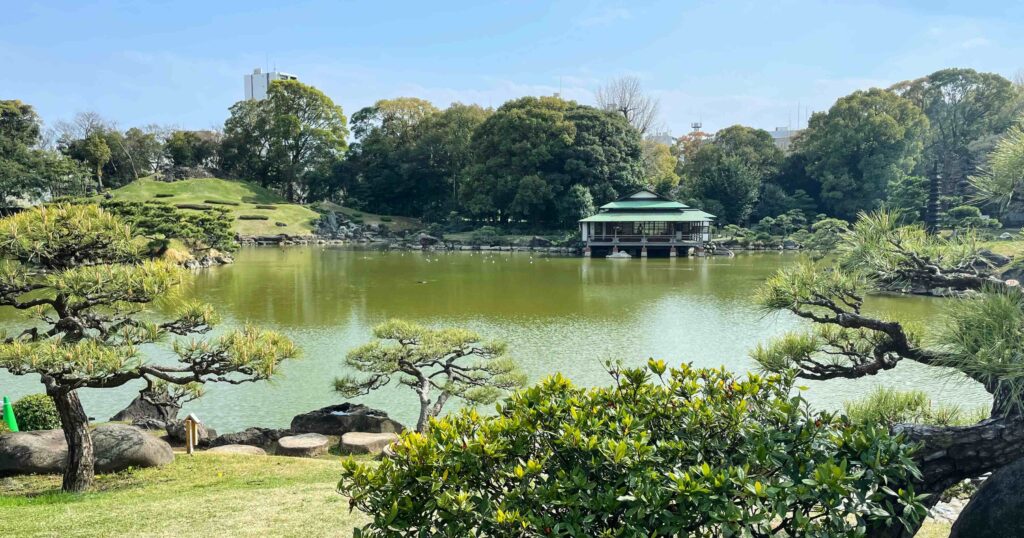
27. Futakotamagawa
Futakotamagawa in Setagaya Ward is a family-friendly and spacious neighborhood that stretches along the scenic Tama River in western Tokyo. “Futako” is often ranked near the top of the “best places to live in Tokyo” rankings due to its lower prices, family-friendly vibe, and proximity to central Tokyo.
Around the Futakotamagawa station, you’ll see lively brand-name shops and restaurants as well as trendy cafes and bars, perfect for a day out with friends or family. The station is also walking distance from Futakotamagawa Park along the Tama River, which is a popular spot for locals to picnic, play sports, or jog along the riverbank.
Thanks to its broad appeal, Futakotamagawa is popular with families and couples alike, offering a perfect spot for a laid-back weekend in Tokyo.
28. Tokyo Metropolitan Teien Art Museum
Tokyo Metropolitan Teien Art Museum is an off-the-beaten-track Tokyo museum that showcases modern art in a building filled with history and charm.
The museum building was originally built in 1933 as a home for Prince Yasuhiko Asaka of the Imperial Family, and features stunning Art Deco design. It is now designated as a cultural treasure, recognized for its beautiful architecture and intricate interior design.
The museum hosts various themed exhibitions throughout the year, focusing on contemporary art from Japan and around the world. It also has an attached garden space and a teahouse – The gardens change character and color with the seasons, so you get to enjoy art and nature together, while the teahouse was also built for Prince Yasuhiko and designed by a master of Japanese tea ceremonies.
29. Koishikawa Botanical Garden
Koishikawa Botanical Garden is the botanical extension of the University of Tokyo’s Faculty of Agriculture, making it a fascinating and educational off-the-beaten path Tokyo spot to visit.
Apart from being a research site, the botanical garden is home to a host of local, as well as rare plants and trees. It even has a herb garden and a museum, giving visitors the opportunity to learn all about plants and plant diversity.
The Koishikawa Botanical Garden was established over 300 years ago during the Edo period, as Japan’s first botanical garden. It now houses a whopping 4,000 plant species!
The botanical garden is the most popular in spring when cherry blossoms are in bloom and in autumn for the fall foliage. Because there is an entrance fee, the gardens tend to be much quieter than Tokyo’s free parks, making this a perfect place to unwind in nature and enjoy a peaceful day in the city.
Check out the view of their cherry blossom trees and pictures of their prized plants on their Instagram.
30. Nakameguro Canal Walk
Nakameguro Sakura Namiki is a cherry blossom hotspot that draws hefty crowds every spring, but it’s an amazing off-the-beaten-track Tokyo location any time of the year. Lining the Meguro River are about 800 cherry blossom trees. When they’re in full bloom and hanging over the canel, it becomes a stunning cherry-blossom tunnel. During the sakura season, the canal is illumiated with hanging lanterns too, offering a magical hanami experience.
Outside of cherry blossom season, Nakameguro is one of Tokyo’s most pleasant neighborhoods to explore, and is also home to the Starbucks Reserve Roastery.
The Nakameguro canal-side streets are lined with coffee shops, bakeries, vintage stores, lifestyle boutiques, and small galleries, making it an ideal place to spend a leisurely afternoon. Grab a coffee, wander the backstreets, and enjoy the relaxed atmosphere that makes Nakameguro a favorite spot among Tokyo locals.
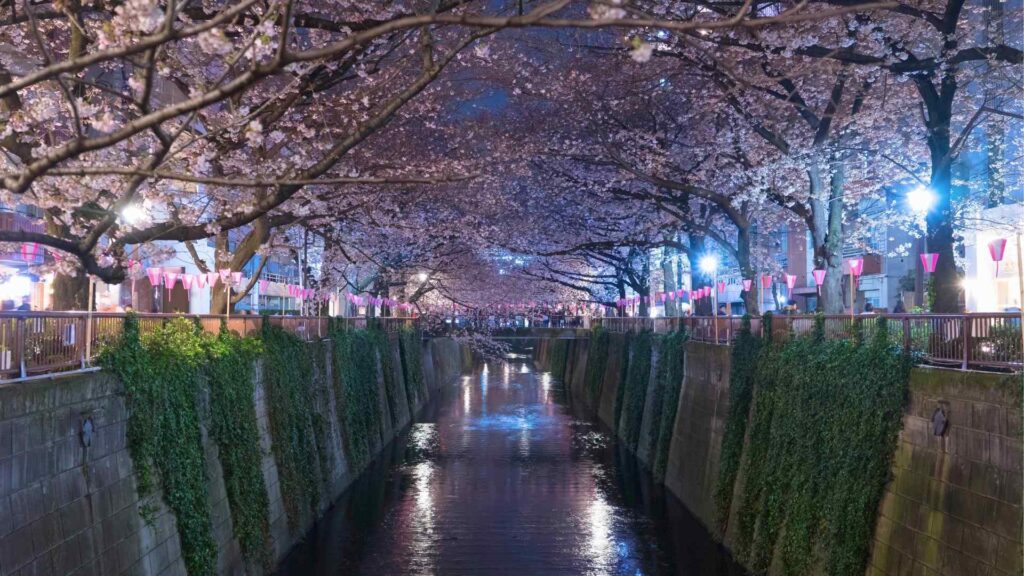
31. Tennozu Isle
Tennozu Isle is one of Tokyo’s most underrated waterfront neighborhoods. Built around a network of canals, it combines contemporary art, trendy cafes, and waterside promenades in a setting that feels far removed from the busy city center.
Many of the area’s former warehouses have been transformed into galleries, creative spaces, and restaurants. Art lovers can visit Warehouse Terrada and Pigment Tokyo, while everyone can enjoy a stroll along the waterfront paths and outdoor terraces.
The neighborhood is especially beautiful in the evenings, when the canals reflect the city lights. If you’re looking for a quieter, more creative side of Tokyo, Tennozu Isle is well worth the visit.
32. Showa Memorial Park
Showa Memorial Park in Tachikawa is a national park built to celebrate the 50th anniversary of Emperor Showa’s reign. Spanning about 180 hectares, it’s a huge natural space packed with beautiful seasonal flowers. Famous views include springtime tulips and baby blue eyes, and autumn’s cosmos and ginkgo avenue. In winter, the park also hosts special evening Christmas illuminations.
The park charges an entrace fee, but offers a number of activities include inside: cycling paths, large playgrounds, barbecue spots, and more ensures a fun time for the whole family. Surrounded by vast greenery, it’s Tokyo’s very own natural oasis.
33. Takagi Shrine
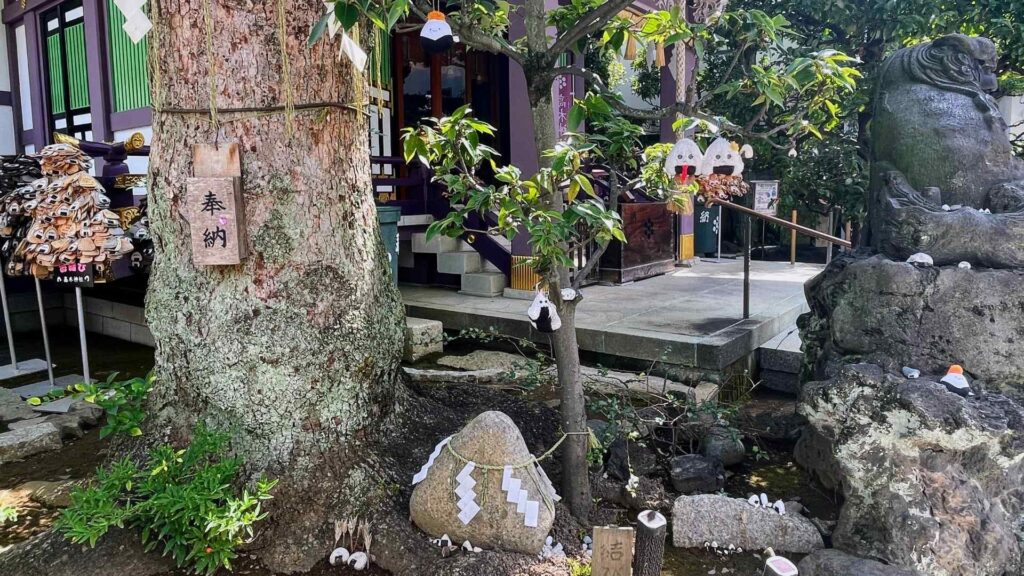
Takagi Shrine, a quirky spot in Sumida Ward near Tokyo Skytree, is also known as the “Onigiri Shrine.” Yes, that’s right! Here, you can wish upon Japan’s beloved rice triangle, the onigiri. Visitors write their wishes on onigiri-shaped wooden prayer tablets and hang them around the shrine.
The connection goes a little deeper than just rice balls. Onigiri are can also be called omusubi, and the word musubi can mean ‘connection’ or the ties that bring people together. Because of this, the shrine is also associated with matchmaking and relationships, attracting visitors hoping for luck in love or a happy future with their partner.
The shrine grounds are covered in cute onigiri motifs, from charms and decorations to small stones painted by guests. It’s one of Tokyo’s most unusual shrines and an adorable spot for a quick visit.
34. Nakano Broadway
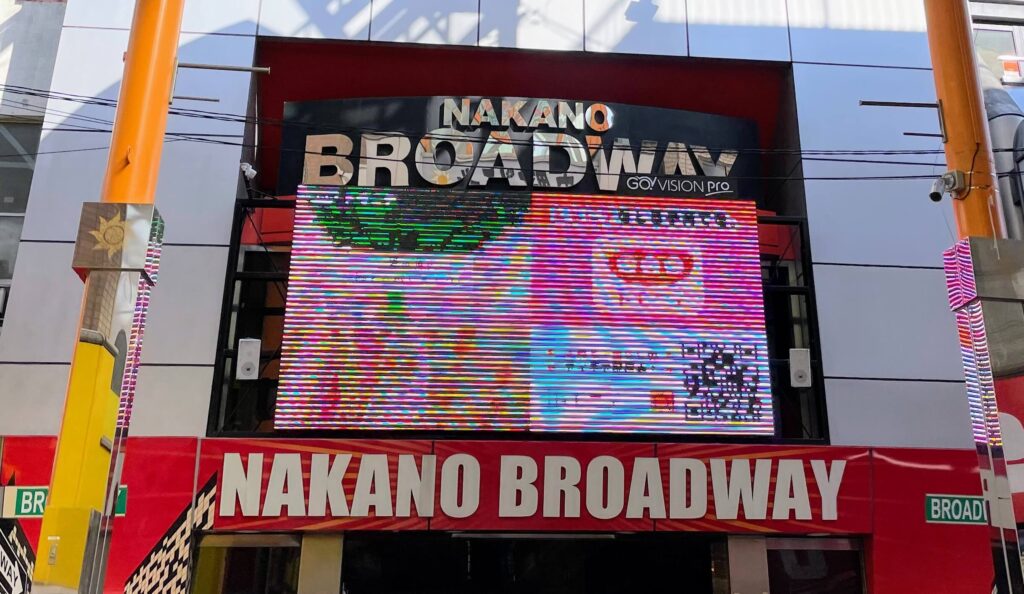
Nakano Broadway is a shopping complex in Nakano that’s a great off-the-beaten-path Tokyo spot to explore Japan’s otaku and subculture scene.
The multi-floor maze of shops is packed with anime merchandise, manga, vintage toys, collectibles, idol goods, and rare pop culture memorabilia. Famous stores such as Mandarake attract dedicated collectors from across Japan and around the world in search of hard-to-find treasures.
Beyond the collectibles, you’ll also find retro cafes, old-school sweet shops, and tiny specialty stores tucked away in unexpected corners. Part of the fun is simply wandering the corridors and seeing what you stumble across. With its nostalgic atmosphere and endless variety of merchandise, Nakano Broadway is a place where every visit feels a little different.
35. Omiya Hachimangu Shrine
Located in a lush forest in Suginami Ward, Omiya Hachimangu feels a world away from the crowds and skyscrapers of central Tokyo. Founded in 1063, it is one of Tokyo’s most important shrines and is particularly associated with blessings for pregnancy, childbirth, and raising children.
The shrine is sometimes called the “navel of Tokyo” because of its location near the geographical centre of the city. Leaning into this connection, the shrine sells a sweet called heso fuku-man, a manju dumpling filled with red bean paste and marked with a small indentation in the middle to resemble a navel.
One of the best reasons to visit Omiya Hachimangu is simply to enjoy its peaceful grounds. Wide walking paths wind through towering trees, creating a calm atmosphere that’s especially beautiful during the autumn foliage season. If you’re looking for a quieter shrine experience in Tokyo, this is one of my favorite hidden gems.
36. 21_21 Design Sight and Hinoki-cho Park
21_21 DESIGN SIGHT in Roppongi Midtown is where cutting-edge design offers one creative surprise after another. This museum facility houses works of art and architecture by world-renowned designers and runs limited-time exhibitions as well, keeping the place buzzing with fresh design energy.
The building itself, designed by famous architect Tadao Ando (also featured on Japan’s art island, Naoshima) is a unique space that’s worth a look.
Right next door to 21_21 Design Sight, Hinoki-cho Park serves as a peaceful retreat. After taking in the exhibitions, a stroll through the park offers a calm escape from the city hustle, providing a soothing blend of culture and tranquillity.
37. Tokyo Midtown Hibiya
Tokyo Midtown Hibiya is an elegant shopping and entertainment complex located near the Imperial Palace. While many visitors head straight for nearby Ginza, Midtown Hibiya tends to attract more locals, who come for its restaurants, seasonal events, and relaxed atmosphere.
Inside, you’ll find a mix of restaurants, cafes, fashion stores, and a TOHO cinema, making it an easy place to spend a few hours. One of my favourite features is the sixth-floor Sky Garden, which offers excellent views over Hibiya Park and the Imperial Palace moat.
Throughout the year, Midtown Hibiya hosts a variety of seasonal events in its outdoor plaza, including outdoor movie screenings, Christmas illuminations, markets, and food and drink festivals. If you’re looking for a modern Tokyo destination that feels a little more local and less touristy, Midtown Hibiya is worth adding to your Tokyo itinerary.
38. Yaechika (underground next to Tokyo Station)
Yaesu Underground Shopping Mall, or “Yaechika,” is a large shopping and dining area tucked beneath Tokyo Station. Here, you’ll find everything from drugstores and cafes to restaurants, bakeries, fashion stores, 100 yen stores and souvenir shops, making it a convenient place to browse before or after catching a train. It’s especially useful on rainy days, when you can spend hours exploring without ever stepping outside.
Connected directly to Tokyo Station, Yaechika is a popular route for commuters, office workers, and travellers transferring to other parts of the city or country. It can get extremely busy during the morning and evening rush hours, but outside of these peak periods it becomes a surprisingly pleasant and uncrowded place to explore.
The layout feels a bit like a maze, with passageways branching off in every direction and plenty of hidden shops to discover along the way. Just make sure to leave yourself enough time, as it’s easy to get distracted while wandering through this large underground shopping area.
39. Seekbase Aki-Oka Manufacture
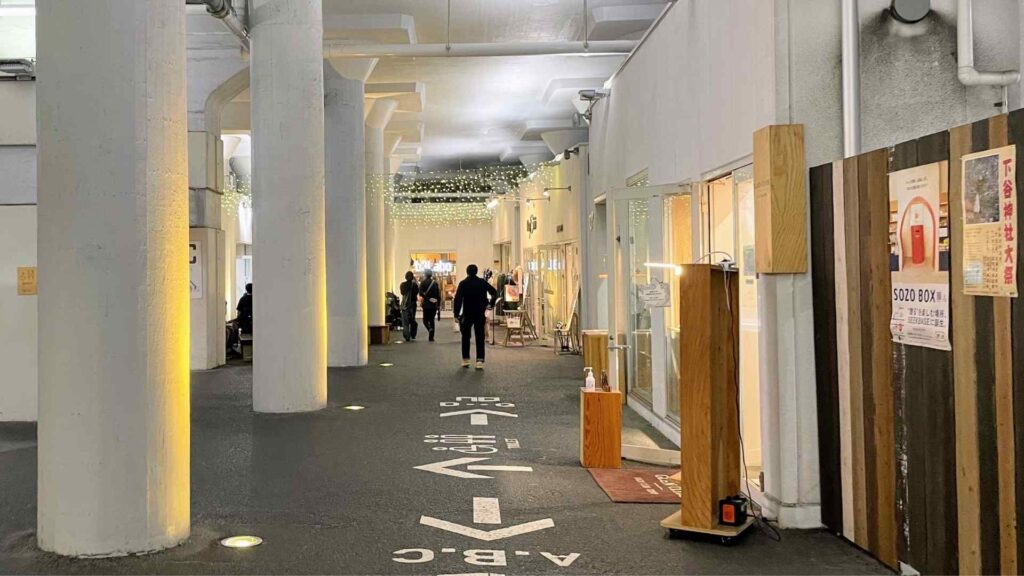
SEEKBASE AKI-OKA MANUFACTURE is a small, boutique shopping complex hidden beneath the railway tracks between Akihabara and Okachimachi. Rather than focusing on mainstream shopping, it caters to people with specific hobbies and interests.
The stores here specialize in things like cameras, audio equipment, bicycles, musical instruments, and other enthusiast gear. It’s the kind of place where you can lose time browsing products you never knew existed. There are also a handful of unusual tenants, including a Japanese drum school and a video game-themed café and bar.
Because it sits just outside the busiest parts of Akihabara, SEEKBASE feels surprisingly relaxed. Whether you’re looking for a unique gift or simply want to see a different side of Tokyo’s hobby culture, it’s worth a quick stop.
40. 2k540 Aki-Oka Artisan
Also located beneath the railway tracks between Akihabara and Okachimachi, 2k540 AKI-OKA ARTISAN showcases the creative side of Tokyo. The name “2k540” refers to its distance from Tokyo Station: 2.54 kilometres.
The complex is home to around 50 boutique workshops, studios, and shops run by local artists and craftspeople. As you wander through, you’ll find handmade jewellery, leather goods, ceramics, textiles, stationery, and contemporary Japanese design pieces that make excellent souvenirs.
One of the highlights is that many of the creators work on-site, allowing visitors to watch the crafting process firsthand. There are also hands-on experiences and workshops, including daruma painting and other traditional crafts. If you’re interested in Japanese craftsmanship and want to buy something directly from the person who made it, this is one of the best places in Tokyo to do it.
Looking for Hidden Gems in Tokyo? Pin this post!
Find a place to stay in Tokyo:
- Find a cool and unique hotel – Coolest Hotels in Tokyo
- Find your perfect capsule hotel – Best Capsule Hotels in Tokyo
- Splurge on a private onsen hot spring – Tokyo Hotels with Private Onsen
- Stay in a traditional Japanese inn – Amazing Ryokan in Tokyo
- Live in luxury at Tokyo’s top hotels – Best 5-Star Hotels in Tokyo
- Stay somewhere spacious and family-friendly – Best Tokyo Hotels for Families